Longboard’s systems are designed with installers and installations in mind, with straightforward instructions and minimal rules to keep the process simple and efficient. A few common errors can result in callbacks. We’ve identified five typical mistakes to avoid when installing our Tongue and Groove system, along with solutions for each.
The Importance of the Hard Fastener
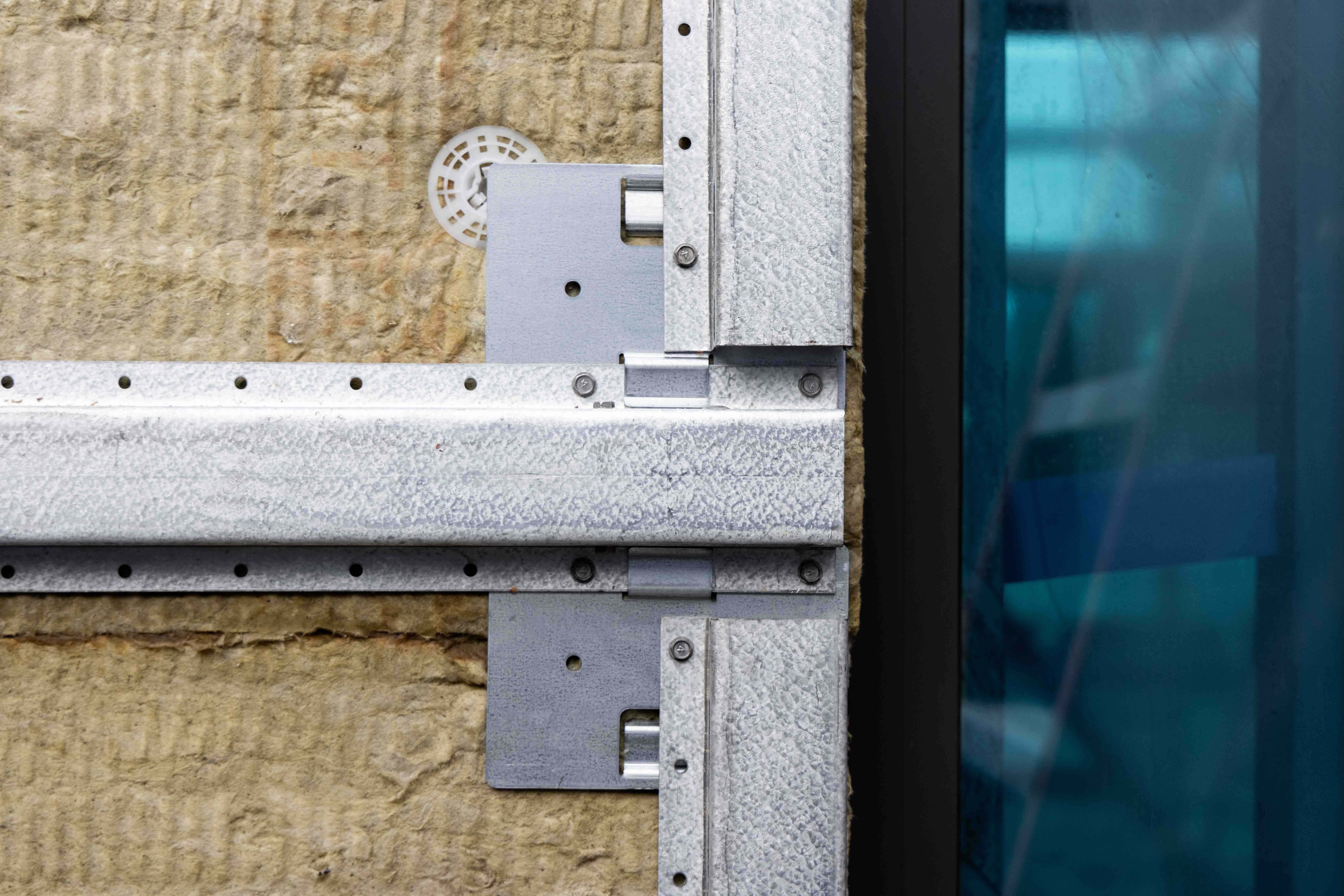
One of the causes of plank movement is missing hard fasteners. When planks rely solely on the clips for anchoring, they can shift along their length over time. To avoid planks from shifting, the standard practice should be to install one hard fastener per row. Place the fastener near the center of the plank, next to a clip to secure the plank, and male sure it is doubly secured.
Managing Natural Expansion and Contraction
A lot of materials expand and contract with temperature changes. Without enough room to move, planks can compromise the look of the install, and create pressure points. Tight installations and the omission of expansion gaps, arising from an underestimation of material expansion, resulting in an unprofessional-looking install.
The solution is straightforward: installers are recommended to leave expansion gaps of at least a quarter inch, within the j-track that’s designed to manage plank lengthening in both directions. Managing both contraction and expansion is equally important, as each presents a risk that is significant.
Untrimmed Ends Hinder Design
Before and during powder coating and sublimation, the planks are hung up at our facility, and to help hang them up, a hole is drilled in the last inch of each plank. Additionally, a layer of masking tape is applied on each plank during the manufacturing process.
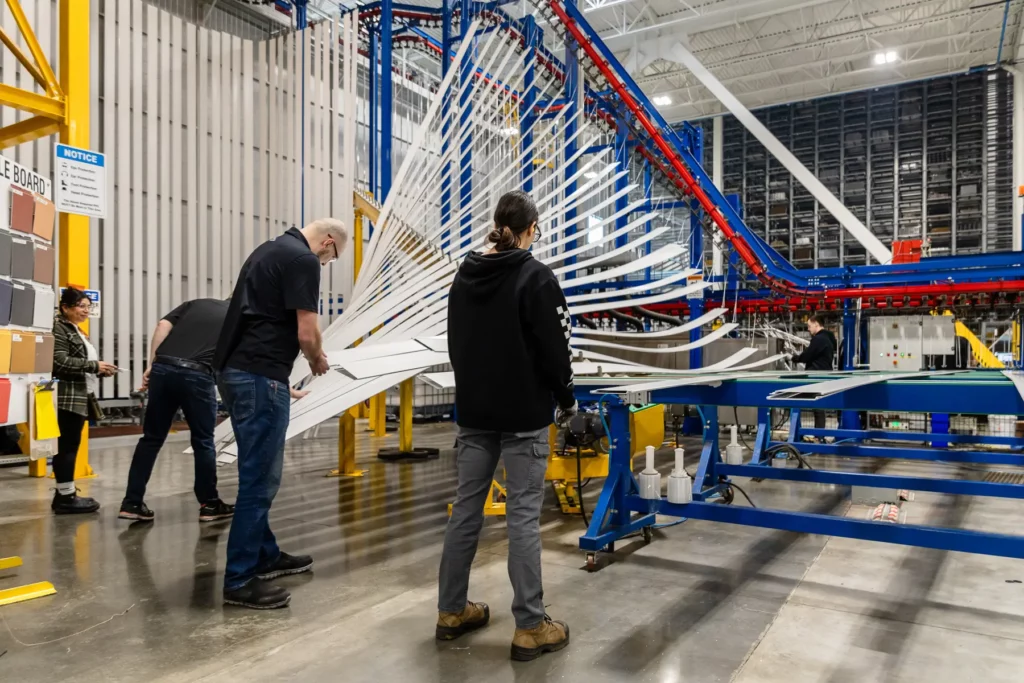
The solution is easiest to carry out, but easier to forget. It is recommended for the installer to trim the ends. Make sure the cuts are not rushed and are finished correctly, making sure that the intended design materializes. Cutting off the ends ensures that either the hole of the unfinished end, and the taped end is not visible.
Using the Right Fasteners to Ensure a Successful Install
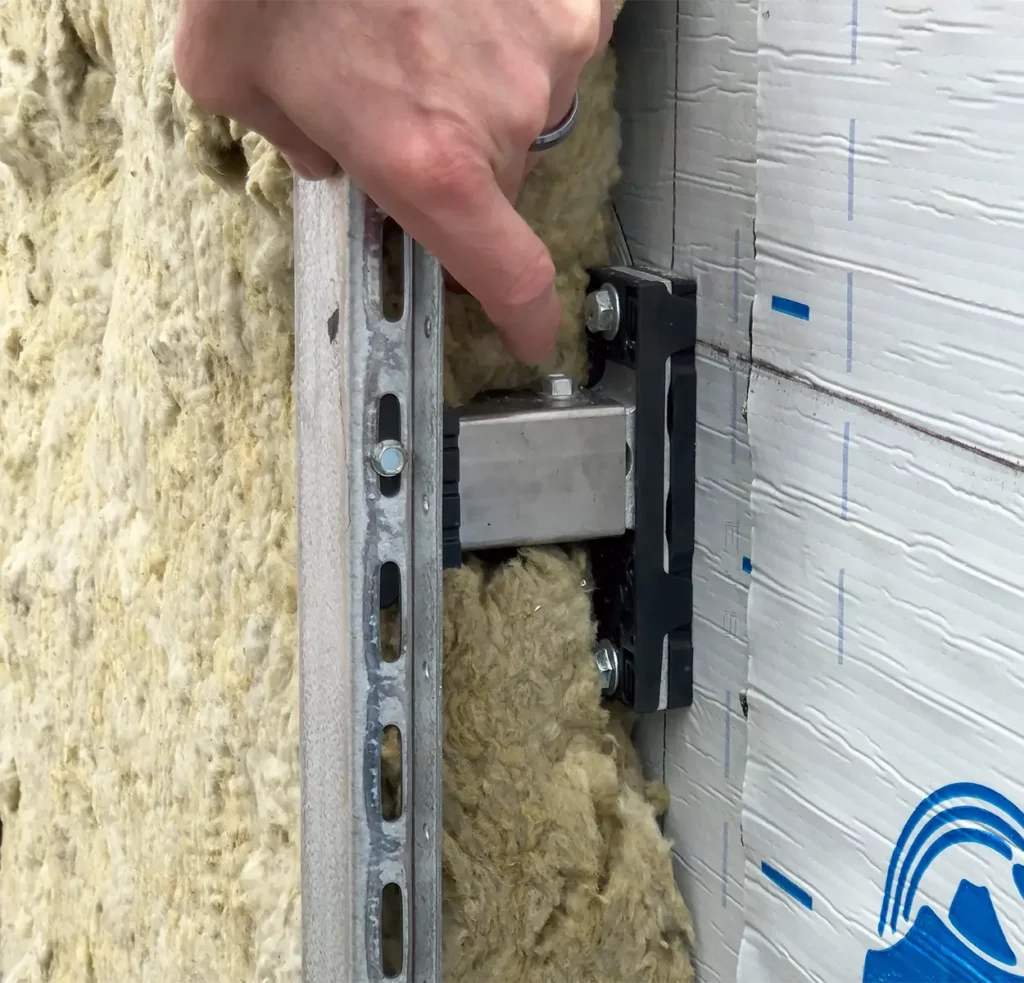
Not all fasteners are compatible with our quick screen clips. In fact, using the wrong type of screw as a fastener can cause planks to fall off. Additionally, they can compromise the performance of the other clips attached.
To ensure a smooth installation, the simplest approach is to always use no. 10 pan head screws. Avoid substituting fasteners, or neglecting system requirements.
Understanding A/B is the Key to Creating a Beautiful Facade
Longboard’s woodgrain planks come in two distinct pattern types, A and B, with some planks showing more variation than others. Before installation begins, take time to identify and separate the two. A few methods that work well.
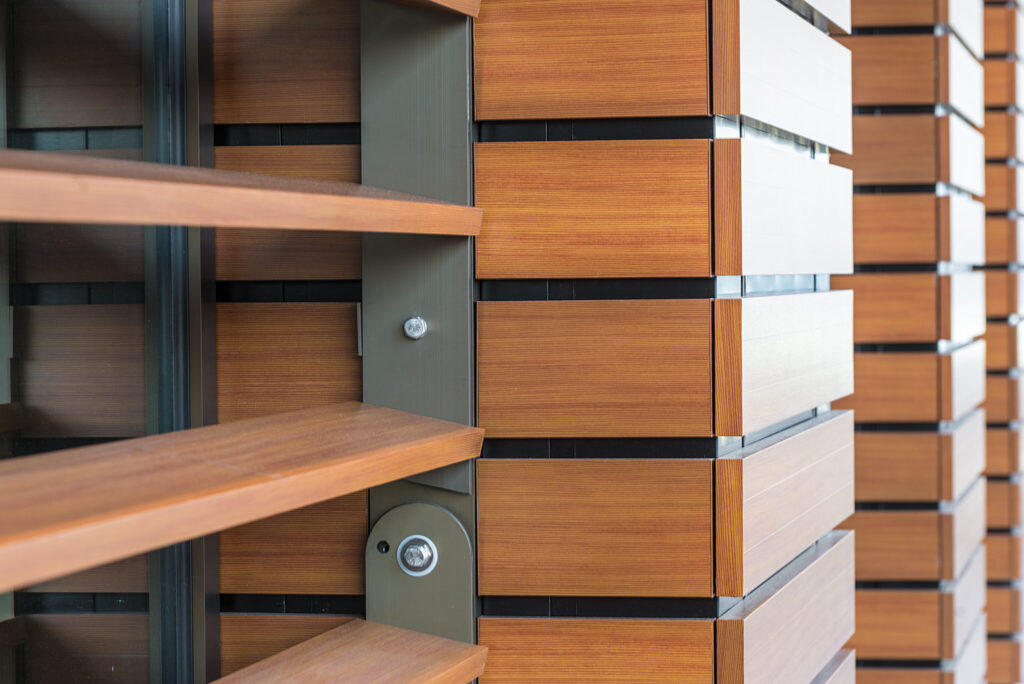
Whichever method you choose, make sure the whole crew is aligned on the approach before work begins. A consistent strategy across the team will save time and deliver a more cohesive end result. Achieve cleaner installs, optimal performance, and effortless project completion, minimizing the need for costly callbacks. Most successful installations rely on careful attention to fastening, expansion spacing, finishing details, and pattern alignment, ensuring the façade performs exactly as designed.