Florida’s climate challenges building materials with its relentless humidity, punishing UV exposure, and the ever-present threat of hurricanes demand that every exterior building material earn its place on a structure. For architects, contractors, and building owners operating in the Sunshine State, choosing a cladding material is a matter of structural integrity and code compliance. Longboard has met Florida’s most demanding approval standards head-on, making it a standout exterior cladding systems fully equipped to perform where others fall short.
Florida Product Approval
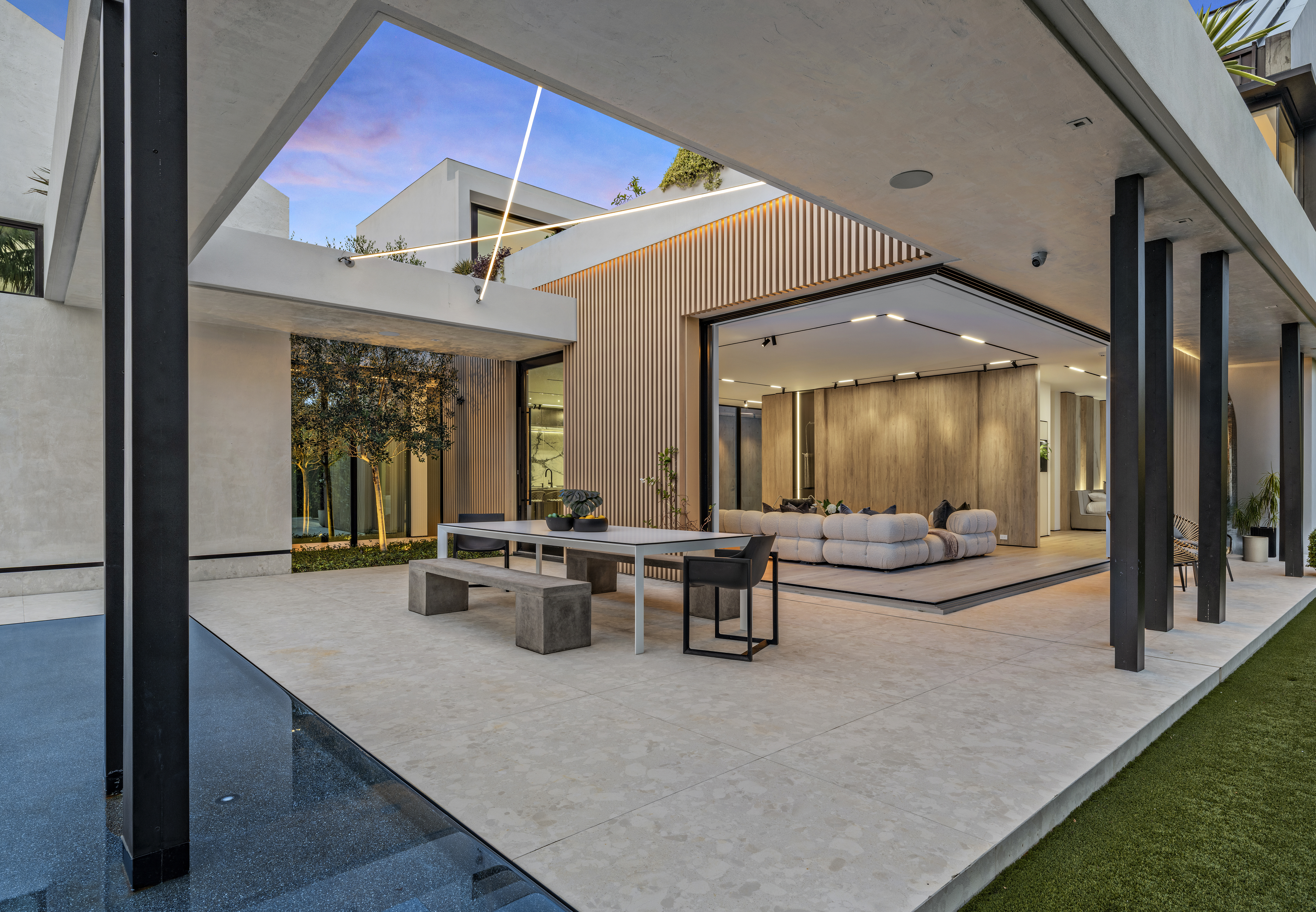
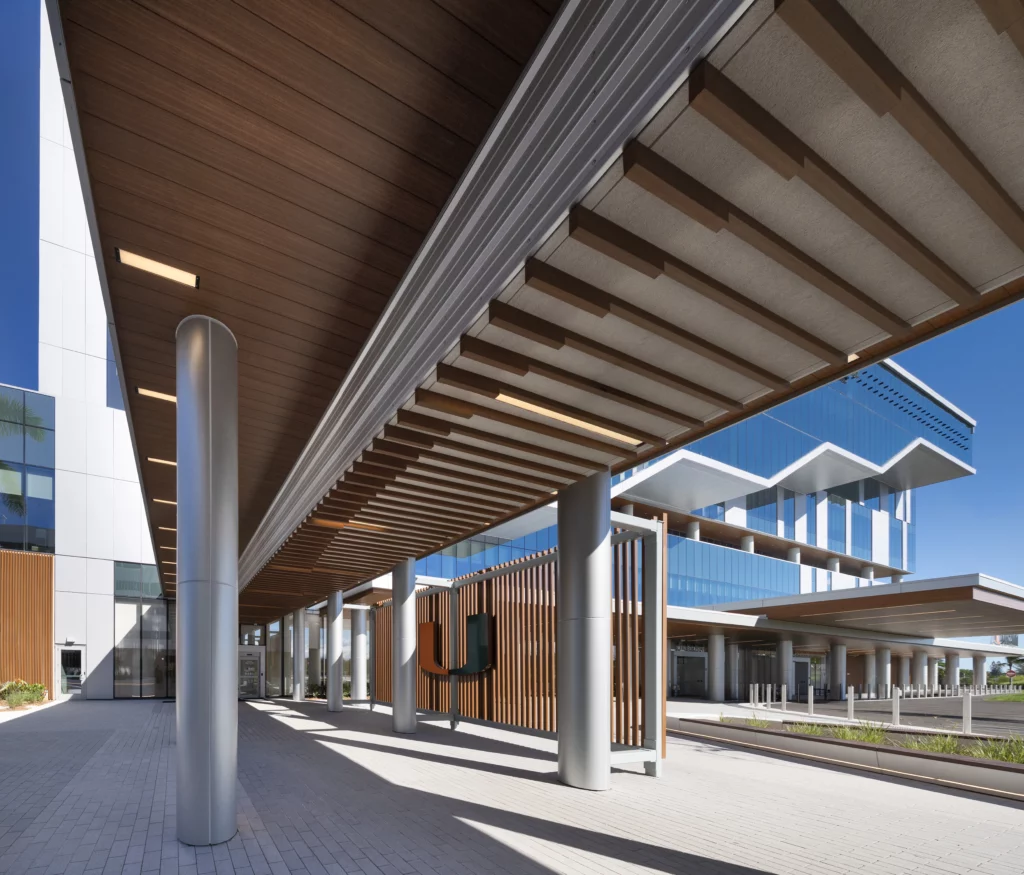
With years of experience working in Florida, Longboard holds the FPA for a large number of our products. Our Link & Lock and Tongue & Groove cladding materials are used extensively throughout the region for sunshades, trellis structures, privacy screens, and outdoor lanai ceilings.
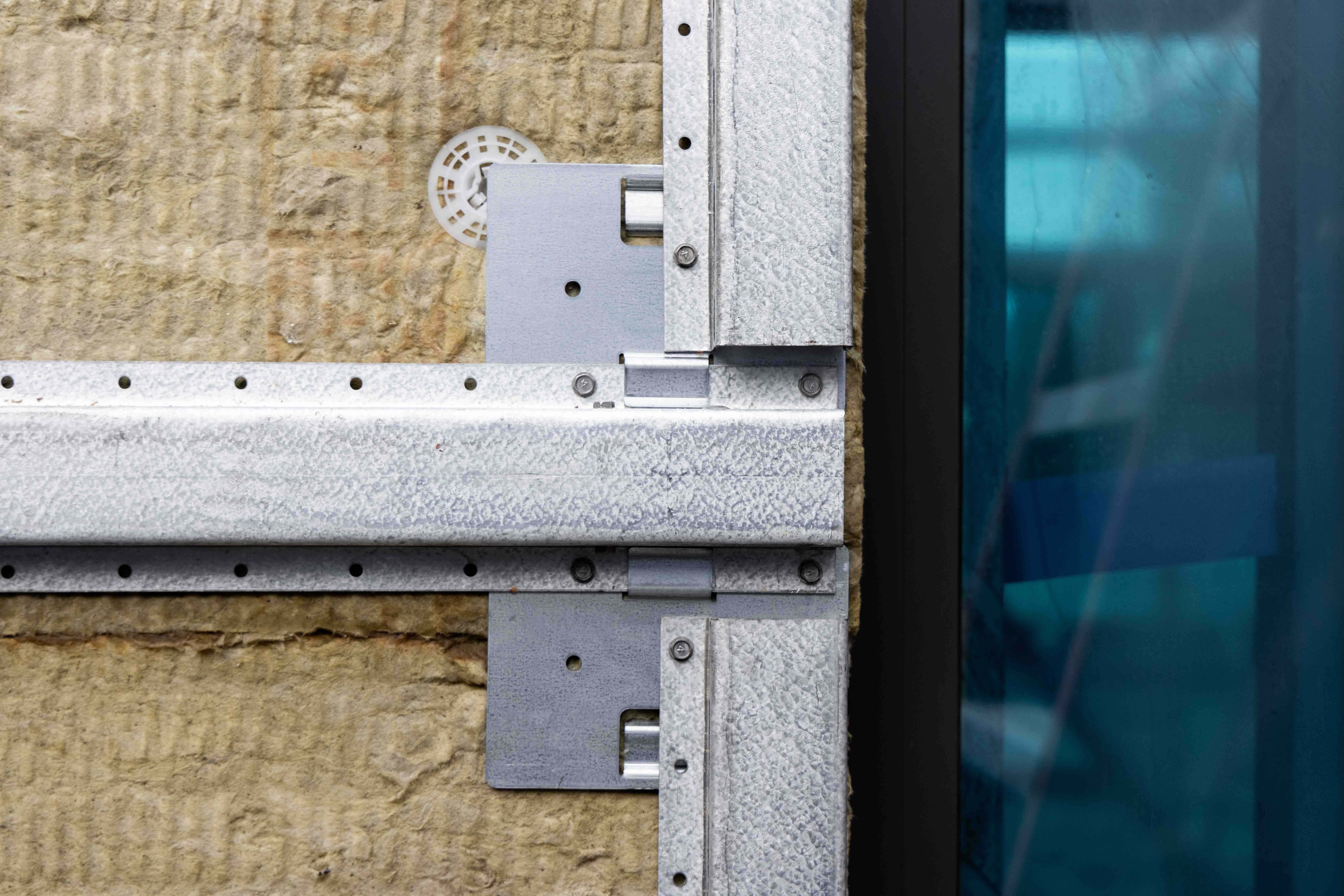
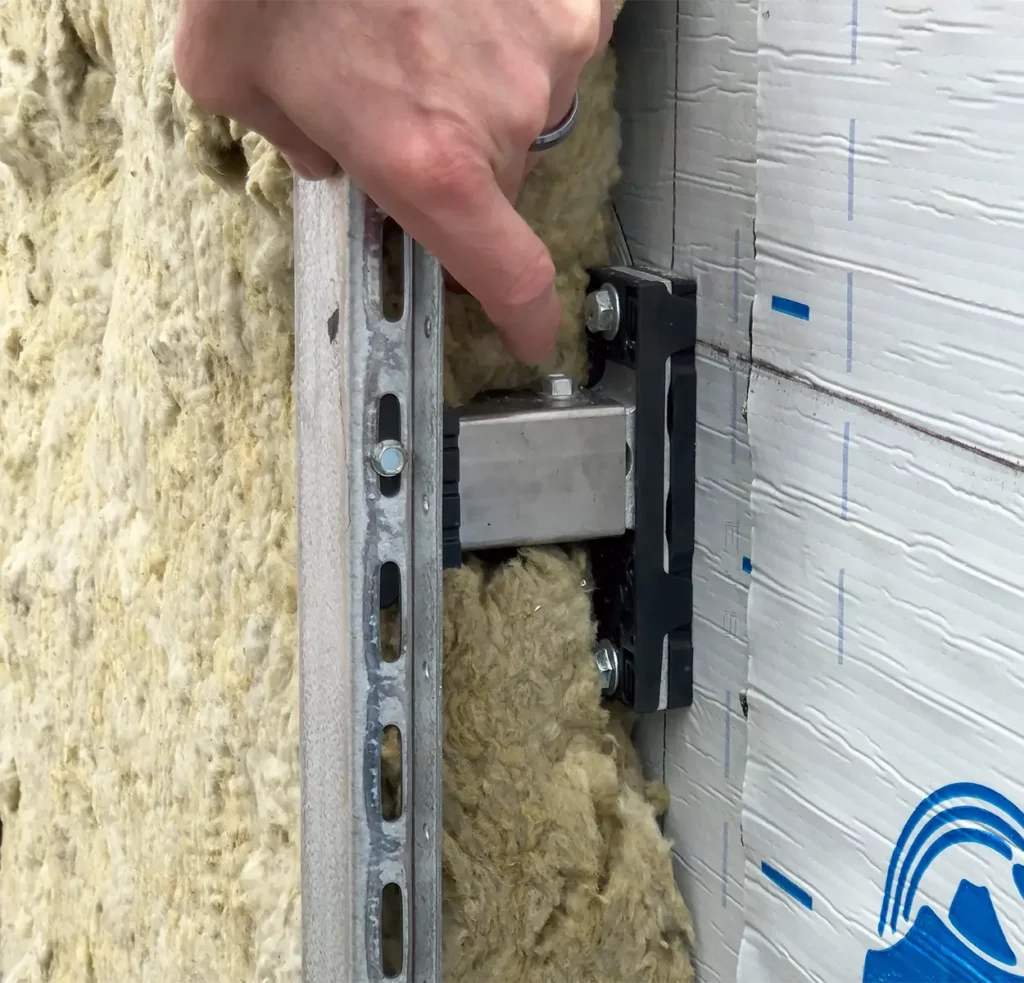
The FPA alone doesn’t approve the product itself, but instead approves how it must be installed so the entire assembly performs properly in Florida’s environment. The FPA breaks down the way products need to be installed to the substrate, anchor type, minimum embedment, and minimum edge distances. This ensures the attachment system is installed properly; failure to follow these requirements is often what causes systems to underperform.
Miami-Dade Notice of Acceptance
The Miami-Dade Notice of Acceptance (NOA) was achieved by Longboard for our Tongue & Groove cladding. Because this area of Florida is a high-velocity hurricane zone (HVHZ), it is integral for materials in this region to have this stamp of approval prior to being specified on a structure.
This approval confirms that Longboard’s Tongue & Groove system has been evaluated for structural integrity, attachment methods, and compliance with strict standards. For architects, contractors, and building owners, the NOA provides confidence that the system is engineered to perform under extreme weather conditions.
With NOA approval in place, projects in coastal and hurricane-prone regions can move through specifying Longboard products with greater ease, knowing this meets one of the industry’s most demanding approvals for exterior cladding performance.
Longboard’s Experience in Florida
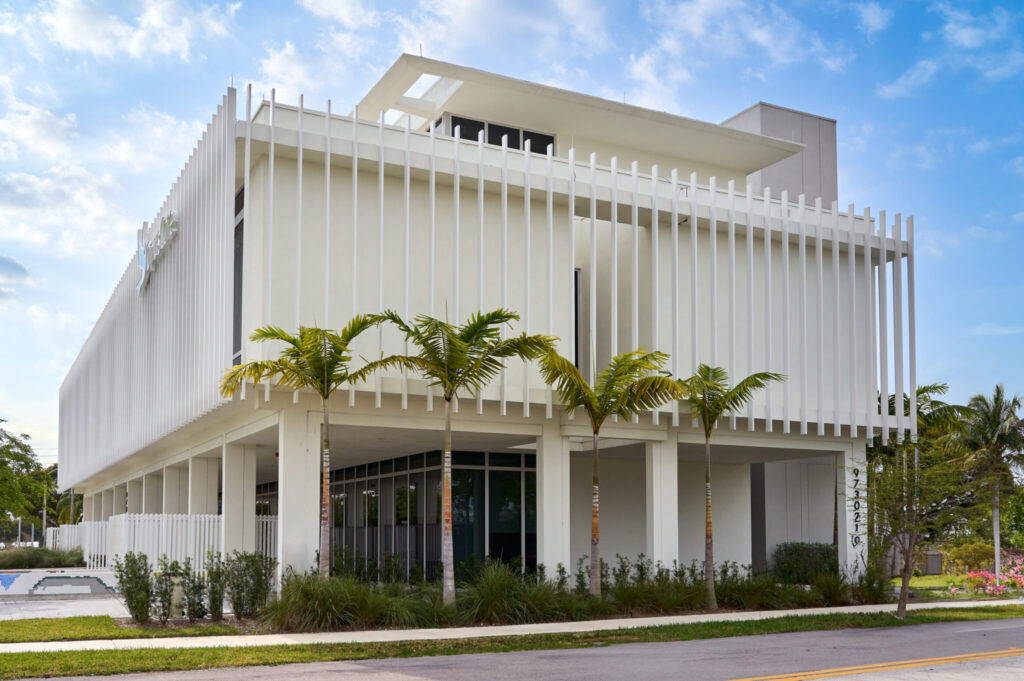
Our technical team at Longboard has a deep understanding of the extreme climate demands for our products being installed after testing them under demanding conditions. This is critical for a successful installation. Upon interest in our product, we provide the data and supporting documentation to best understand how our material needs to be attached and at what frequency, which can be a make-or-break for our product performance.
Longboard conducts in-house preliminary testing as well as working with third-party testers to comply with international test standards. The powder and sublimation dye technology that we use at Longboard for our woodgrain finishes is tested in the Florida Sun Fields as part of long-term environmental exposure testing. These samples are measured throughout the years for fade and gloss retention ensuring that it withstands the high UV index Florida experiences.
Our FPA and NOA installation requirements, used in tandem with our product-specific installation guides and span charts, will ensure a successful installation of our materials and meet the requirements for Florida building code compliance.
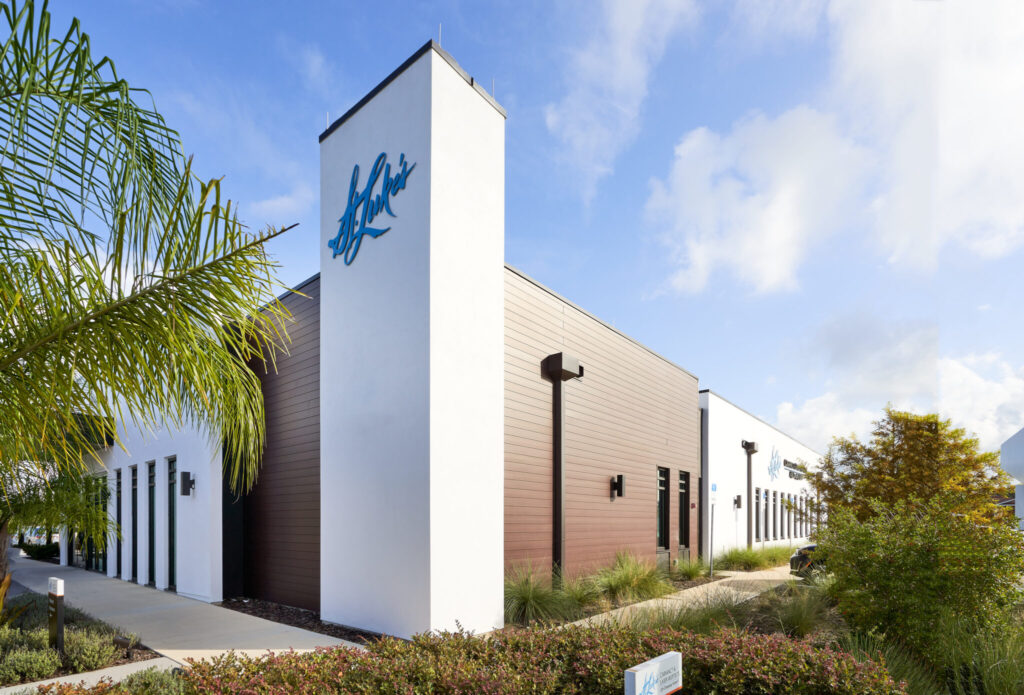
Across North America, Florida requires some of the most stringent approvals for exterior building products due to its extreme climate conditions. With strict standards for high-velocity hurricane zones and intense UV exposure, products must meet rigorous performance criteria.
Longboard’s ability to perform in these conditions provides architects, installers, and owners with confidence in the product’s long-term durability and reliability when specified for a project.