Build Show by Matt Risinger
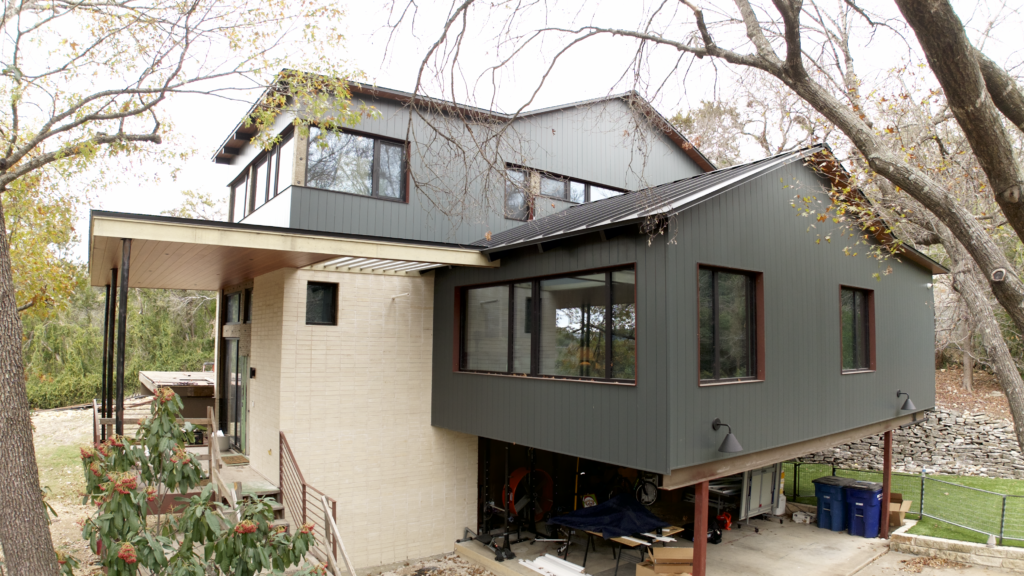
In a recent episode of the Build Show, Matt Risinger speaks with Head of Construction at Risinger Build, Daniel Glauser on a home renovation project tackling his own 1970’s home. Daniel saw potential, an opportunity to transform a nearly 50-year-old house into a modern home built with energy efficient and durable materials, all while his family continued living inside. “We really had to be flexible with how we went through the process,” Daniel recalls. It wasn’t easy, but the end result would prove worth every inconvenience.
Daniel builds high-performance homes for a living, but for his personal renovation, he set out to demonstrate something significant, that Passive House standards aren’t exclusive to new construction. Even a house approaching five decades could achieve ultra-efficient performance. The central challenge lay in meeting Passive House’s demanding airtightness requirements. Daniel’s approach was unconventional, working from the outside in. “We chose to remove the skin of the home and reskin it in a very controlled manner,” he explains. While the original structure remained untouched, the entire exterior envelope was completely reimagined.
Daniel picked striking aluminum cladding finished in the shade Shale to wrap around the exterior of his home. The choice reflects his philosophy on construction. “I wanted something that was gonna last. We build great homes and I don’t want to have to maintain something or have to buy something twice. I just wanna buy it once and be done with it and have it look really good. This product is just that. It’s super durable and low maintenance,” Daniel explains.
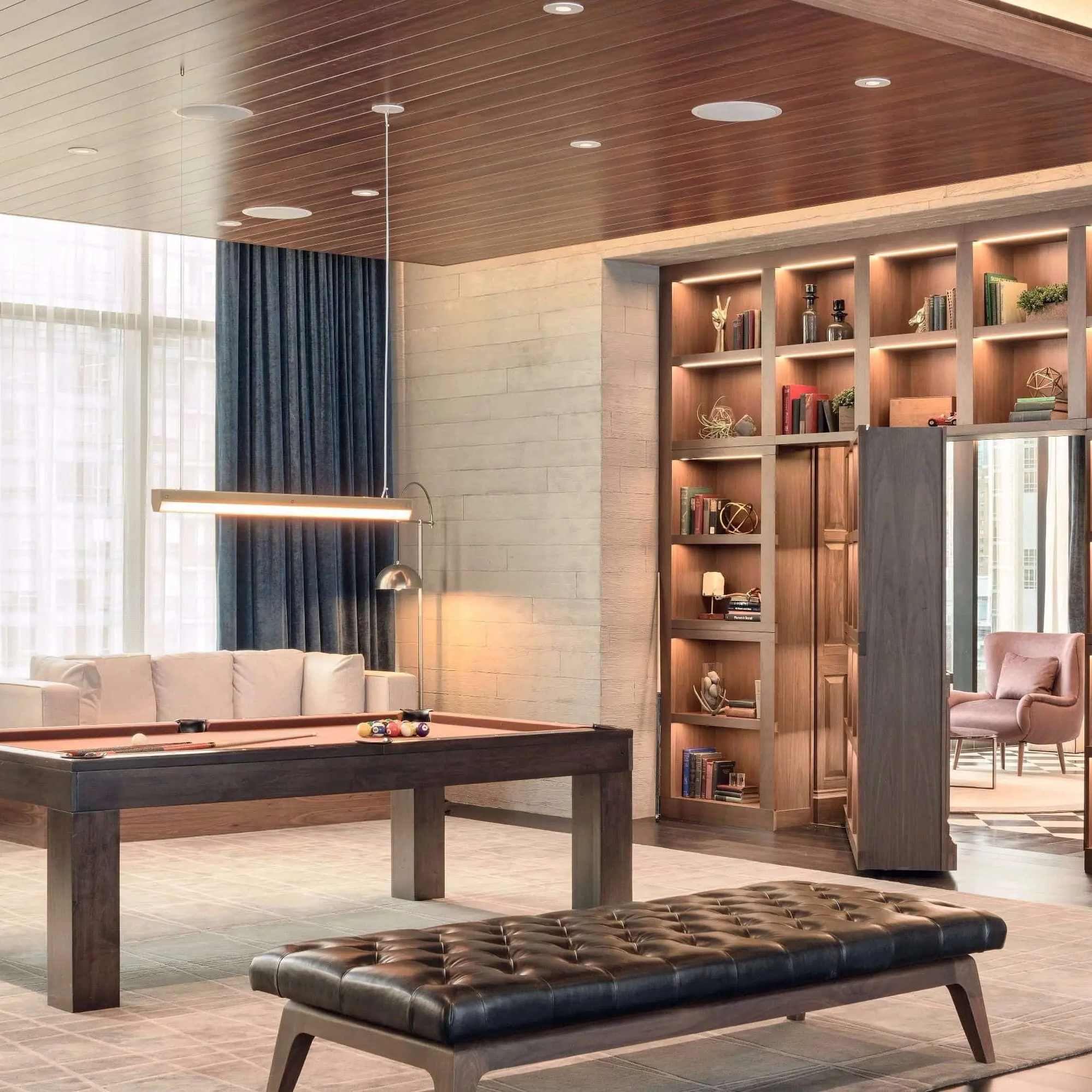
The decision went beyond avoiding future upkeep and aesthetics. Surrounded by trees and open acreage, Daniel wanted fire resistance without sacrificing the warmth of wood. Longboard’s aluminum siding system, with a Light Cherry wood-grain soffit that looks remarkably like real wood from ground level was the perfect solution. The entire house now has a Class A, NFPA 285 certified non-combustible siding, and the soffits, yet it retains a residential warmth that feels nothing like a commercial building.
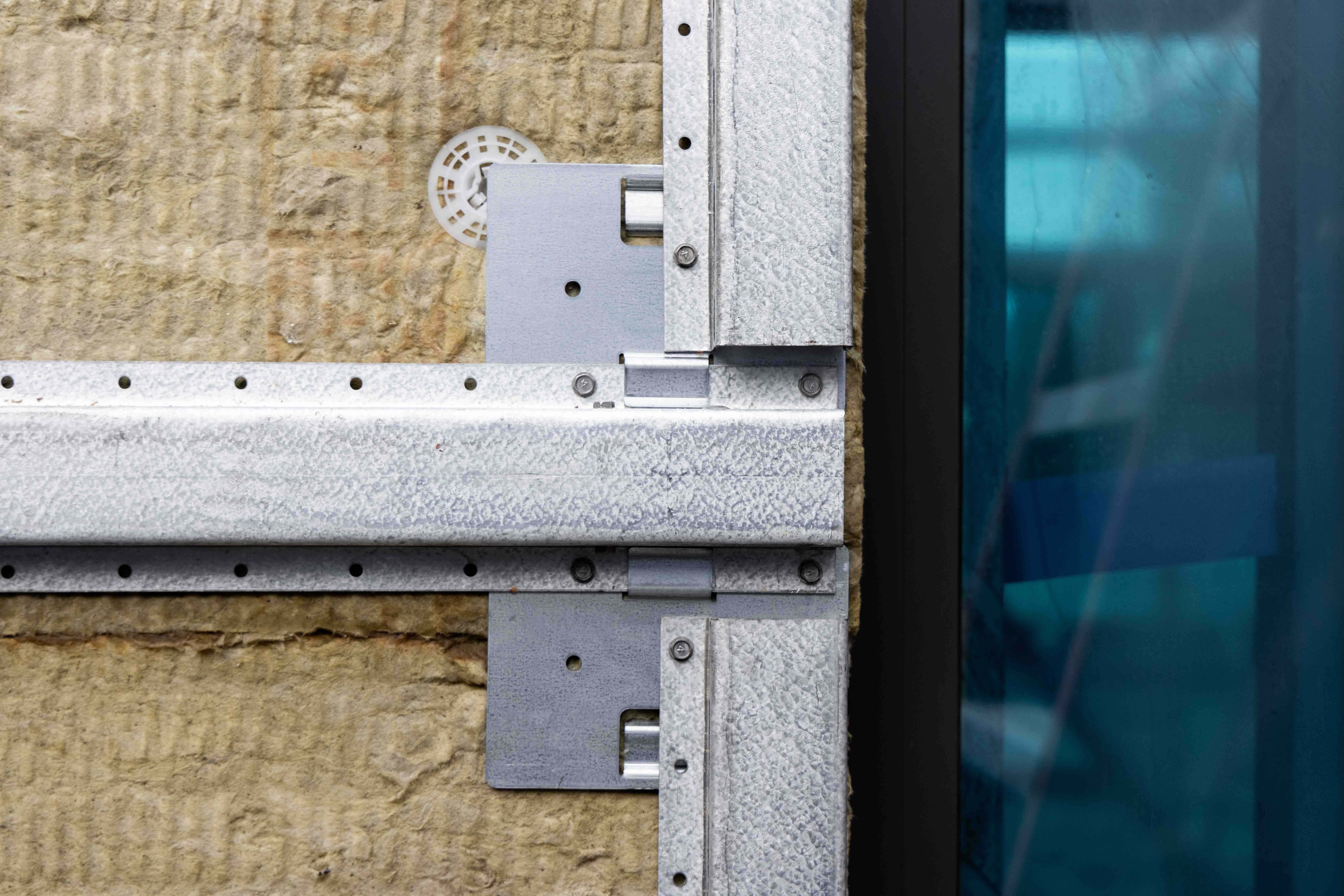
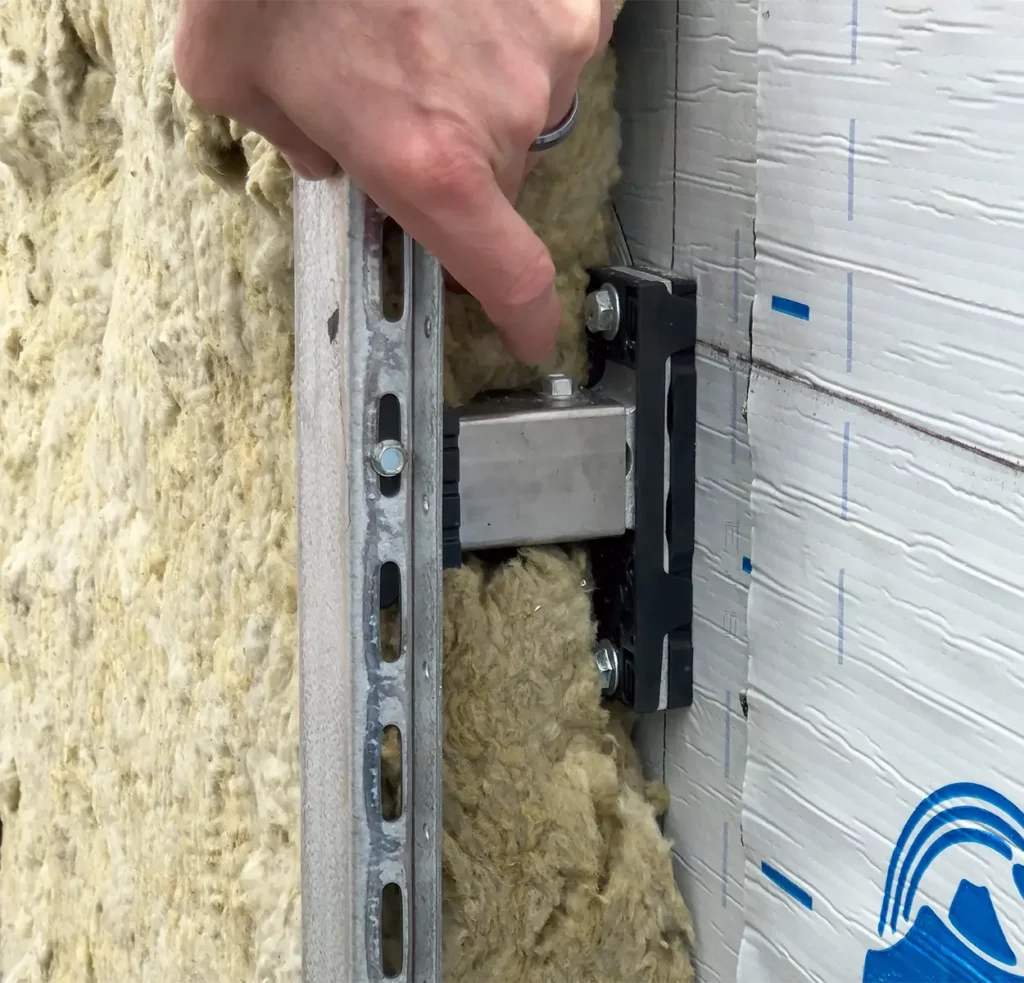
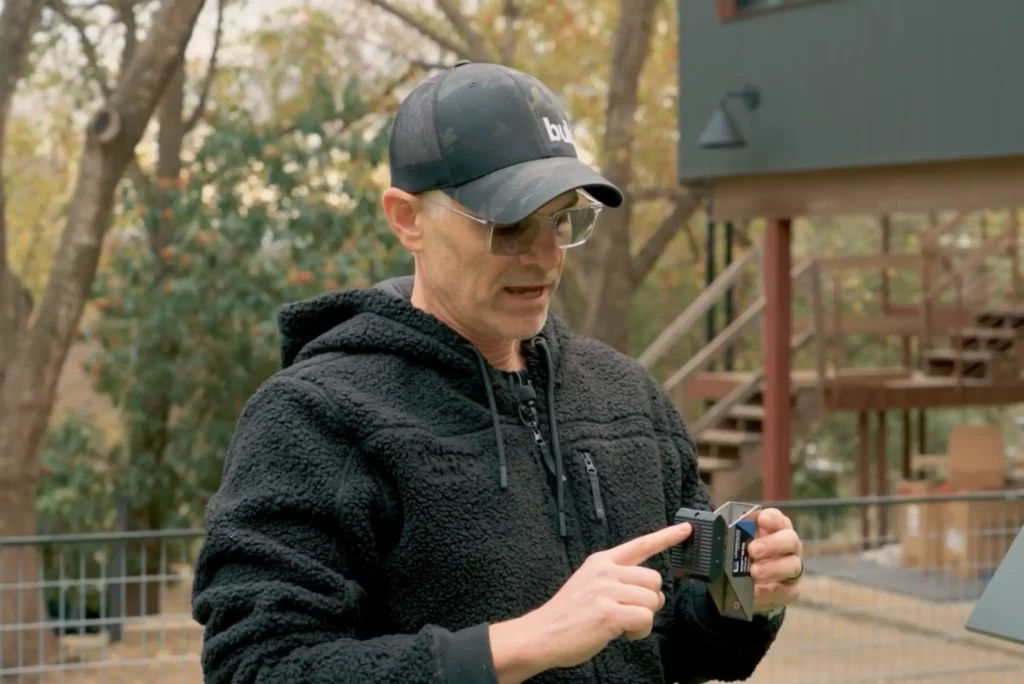
Behind that beautiful exterior lies a sophisticated system. The Hitch standoff system allowed Daniel’s team to install two inches of Rockwool continuous insulation on the walls and three inches above the roof, creating a thermal envelope that would make any Passive House builder proud. To Daniel, Hitch was a “no-brainer” as it minimizes thermal bridging by requiring fewer attachment points. Made from stainless steel with composite shims, each clip thermally breaks the connection between exterior and interior, preventing heat loss. And because the system is so strong, clips can be spaced up to 48 inches apart, fewer penetrations that leads to better insulation performance. Additionally, the system is caulk-free too with no requirement of painting, or endless maintenance.
His installers had never worked with the Hitch system or Longboard cladding before, but the learning curve was manageable. After the initial setup period, the team refined their process and developed an efficient assembly-line approach that moved the work along smoothly. For the porch ceilings, the wood-grain soffit transitions seamlessly to a Link and Lock open-joint system around the big living room windows, allowing natural light to flood in while still providing shade and maintaining that fire-resistant envelope.
For other builders considering Passive House standards, his advice is simple: invest time in design and planning upfront. “You can’t just jump right into it. You really have to do your due diligence.” Now, every day when Daniel looks at his house, he sees a family home given new life, a 1977 structure transformed into a 21st-century model of efficiency, durability, and thoughtful design. And, one thing is clear, it was worth every moment of living through the construction. Because sometimes, the best transformations happen on the outside.