Contemporary architecture and interior design succeed when they solve real problems and elevate experiences. Here are three projects from across the globe that demonstrate this principle in action, each addressing thoughtful, context-driven design.
Snake Creek Lodge: The Calm of the Mountains
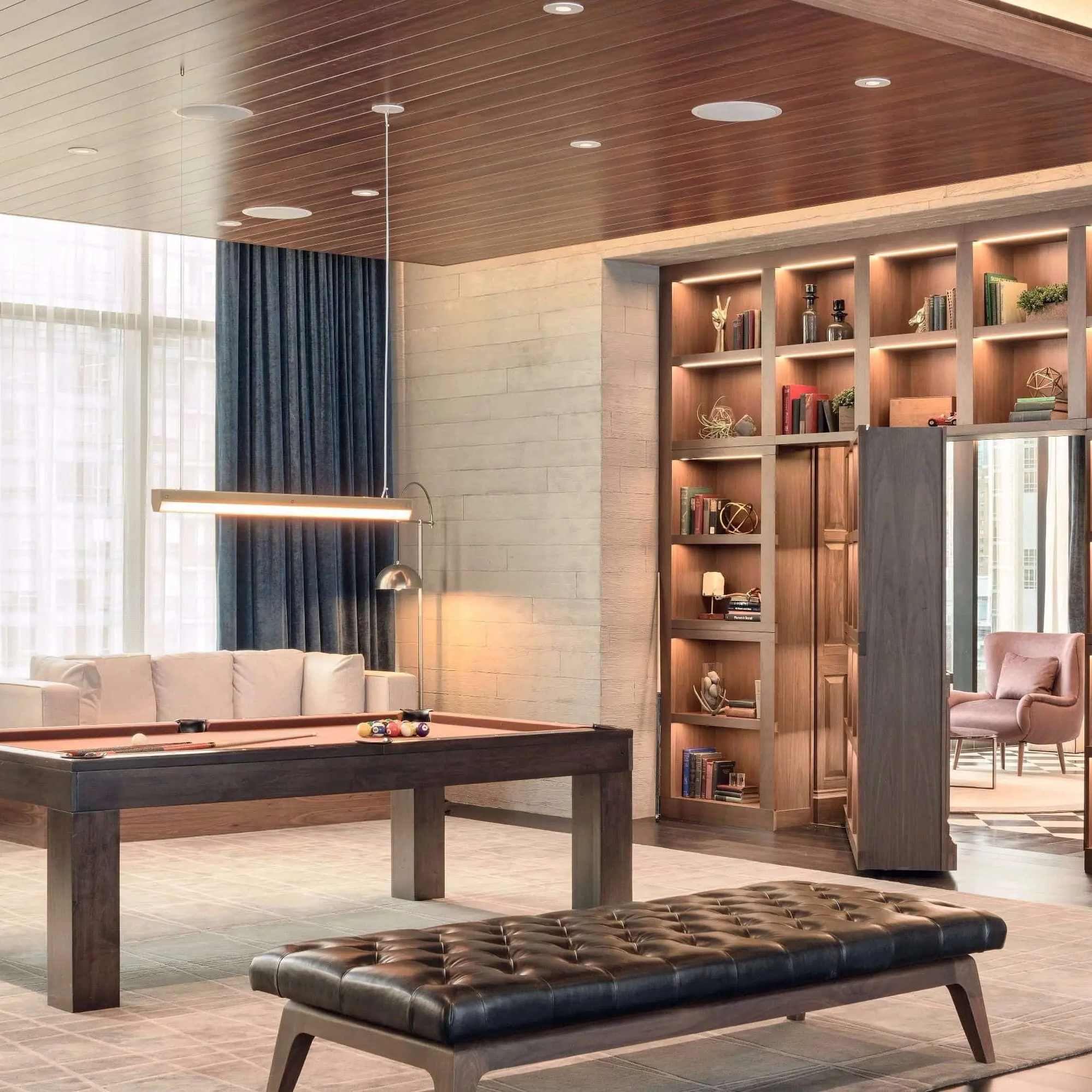
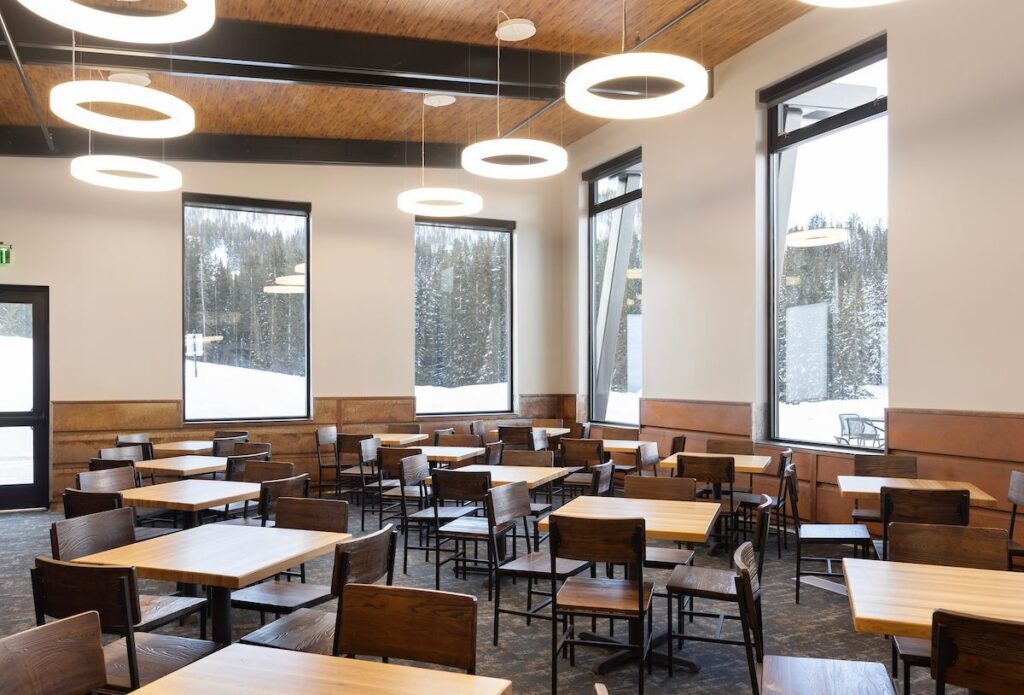
The Snake Creek Lodge at Brighton Ski Resort in Utah tackles a common challenge in hospitality design, managing the acoustics in active spaces. Ski lodges are noisy environments, with hard surfaces, heavy foot traffic, and the constant movement of guests with heavy ski equipment.
The solution comes through material selection. The interior ceiling features six-inch perforated V-Groove planks in dark knotty pine, paired with matching V-Groove soffits and integrated Soundtex acoustic technology. This combination absorbs noise while maintaining the warm, natural aesthetic, modeling mountain resort architecture.
The result is a space that provides guests a serene environment. It’s a practical demonstration of how technicalities and visuals can work together to create functional spaces.
Read more: Acoustical Solutions
The Chedi Al Bait: An Indication of Heritage
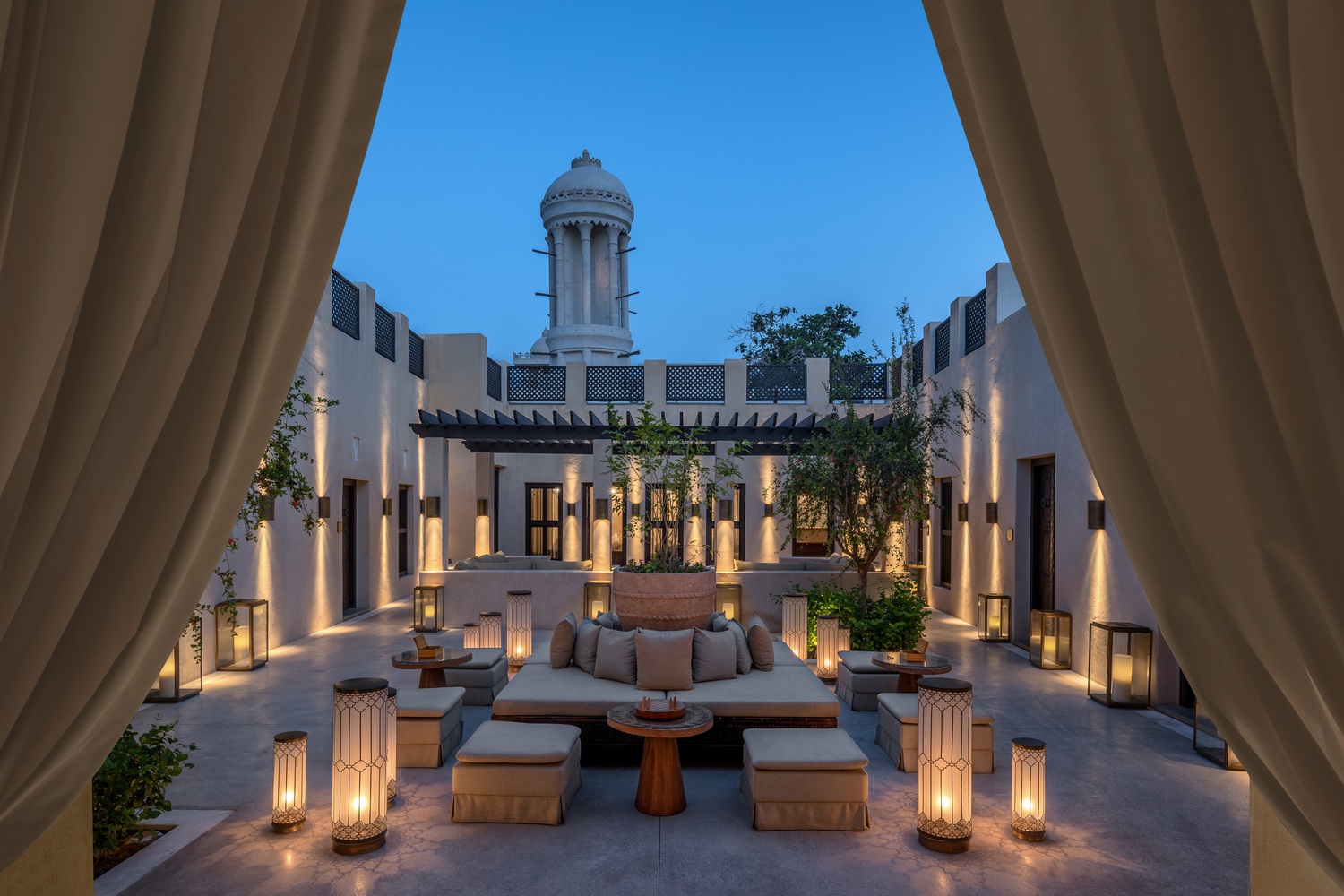
In Sharjah’s historic Al Mureijah neighborhood, The Chedi Al Bait represents a sophisticated approach to heritage preservation in the UAE. The project converts five traditional Emirati homes into a boutique resort.
The design preserves the neighbourhood’s original urban sites, the ‘sikkas’ (narrow lanes), internal courtyards, walkways, and inward-facing facades that define traditional Emirati architecture. Original materials including coral, stone walls and wooden ceilings were also restored.
Each historic structure serves a function: library, restaurant, and café. According to Jason Burnside, Managing Director at Godwin Austen Johnson, the architectural partner that led the project, “Each structure was treated as an artifact: we restored what we could, revealed what was necessary, and reinterpreted with respect.”
Learn more on ArchDaily: The Chedi Al Bait
Alberni by Kengo Kuma: Urbanized Traditional Japanese Art in Vancouver’s Alberni Tower
Kengo Kuma & Associates’ 43-story residential tower in Vancouver’s Coal Harbour neighborhood challenges conventional approaches to skyscraper design with metal and wood.
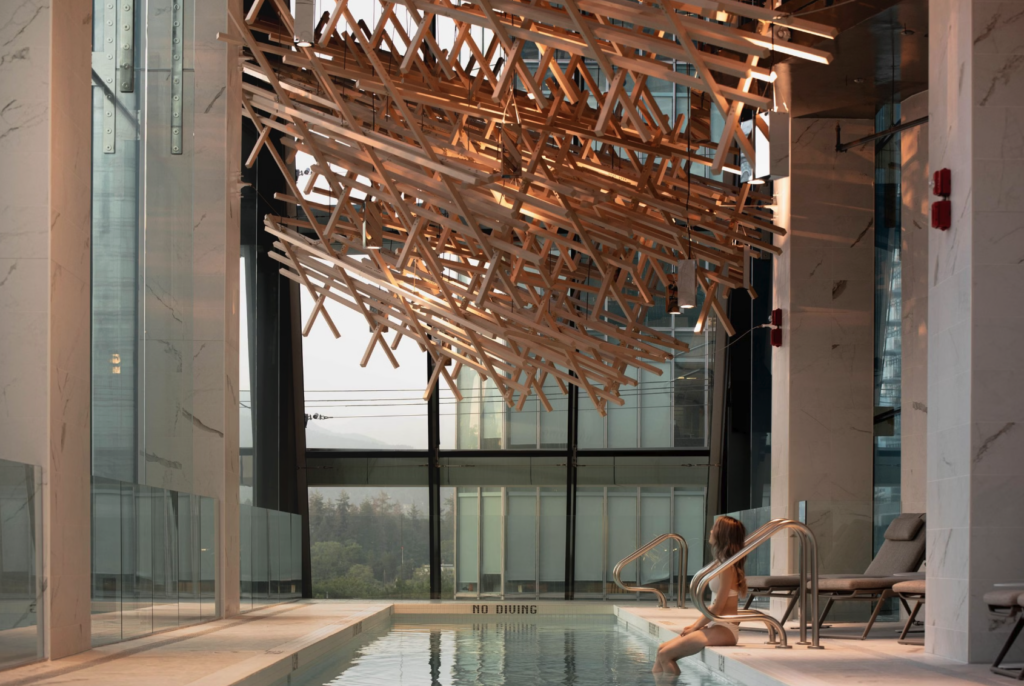
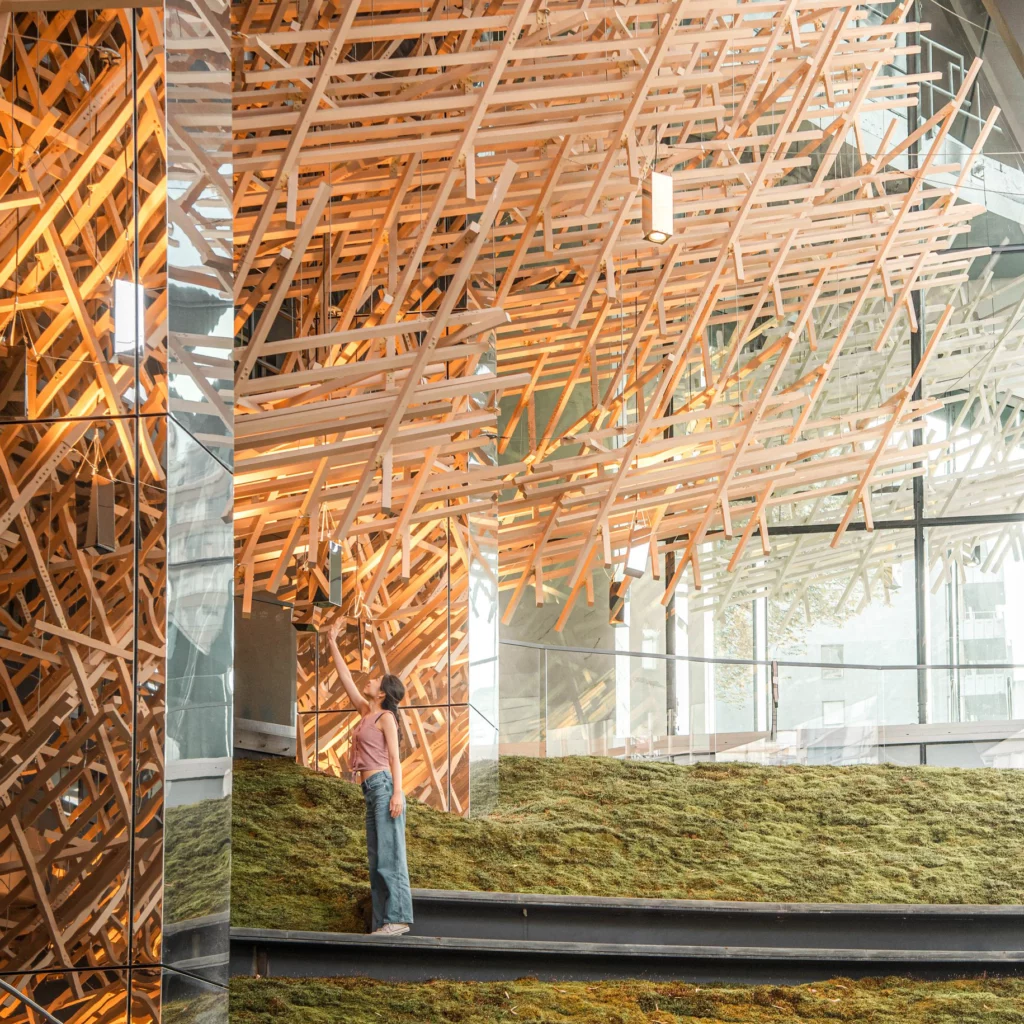
Interior amenities maintain this continuity, aluminum and stone details, a swimming pool area, and a cork-lined music room.
As Kuma explains, “Instead of enclosure, the entrance is a cloud of thin, light elements floating over a performance space.” A suspended sculpture referencing Japanese wood joinery hangs above the pool area, though fire codes required it be fabricated from aluminum, Longboard’s batten has been extruded customarily to resemble wood.
 Learn more: Kengo Kuma
Design as Problem-Solving
These three projects address different design challenges: acoustics, heritage preservation, and urbanised traditional design, yet share a commonality. Each responds directly to its specific context and constraints while adhering to a predetermined aesthetic. The solutions prioritize experience and long-term functionality alongside visual impact.