The creation of the Montana Museum of Art and Culture was a long time coming before opening in 2023. For nearly a decade, the idea of a permanent home for the Montana Museum of Art and Culture hovered between the University of Montana and the city of Missoula. The museum itself, more than a century-old, with nearly 12,000 objects, holds the only global art collection in all of Montana and had lived a migratory life across campus, occupying borrowed rooms and temporary quarters. When Scott Gilder, a Missoula native and architect at A&E Design, joined the project four and a half years ago, the undertaking felt both professional and personal. In a town where buildings become landmarks by familiarity as much as by design, contributing to one that would finally anchor the state’s art collection carried a particular weight.
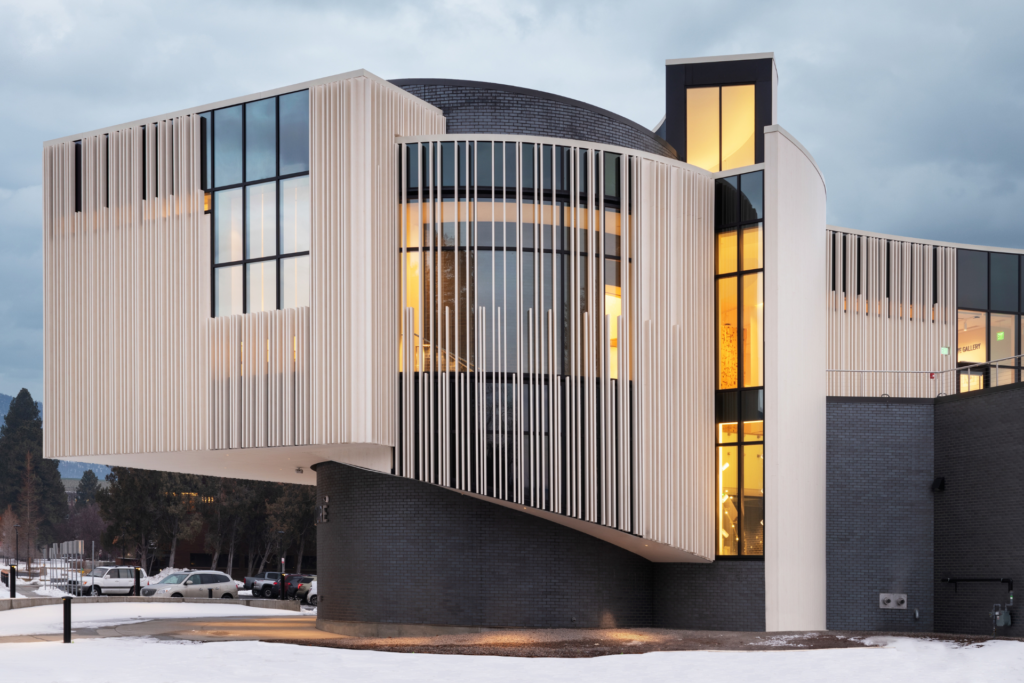
The design of the museum needed to incorporate many different spaces and ways to display the historic artifacts in a secure manner that would preserve the pieces. “Our design incorporates storage for all of the art and artifacts. There are classroom spaces, this is a teaching museum. They’re able to bring out pieces for classes to look at and study. We’ve got spaces to clean and restore art. There are galleries, there is also a library. All of this is wrapped within a very expressive and sculptural form that makes a strong statement on the campus.” The design of the museum was important for the pieces being housed and the activities it would hold. Not to mention the optics surrounding preserving the art pieces once they had a home. “On this project, our design solution involved a very sculptural form. Certainly, a challenge with that was of course designing the building to stand up and to keep the weather out and to keep the pieces inside safe and secure. Security, daylight, all of those are challenges we had to incorporate into our design work.”
A lot of thought has gone into the creation of this, bringing in various stakeholders including the city, university, and donors. “It’s very important for the design team to work with the community, to work with the users and the general public to get their perspectives. As architects, we don’t necessarily have all of the answers, but it’s our job to gather all of that information and mix it altogether and come up with a solution,” says Scott.
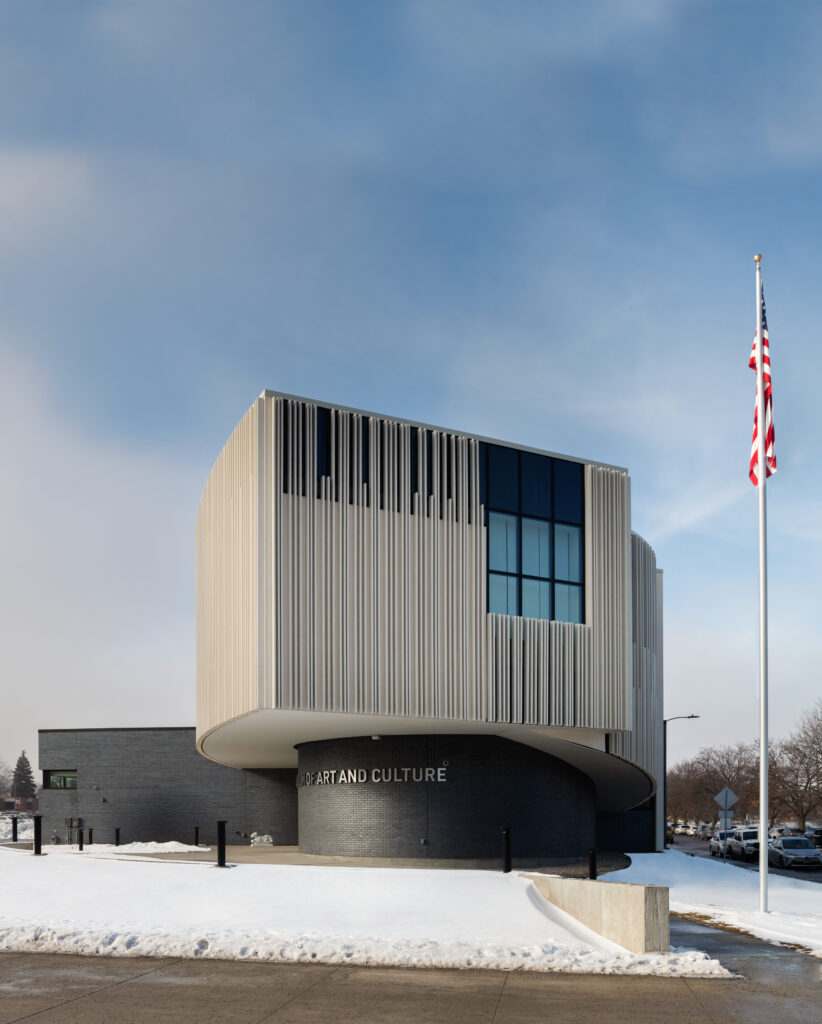
With prior experience working with Longboard, including the Montana Missoula Airport project, A&E Design felt that specifying Longboard’s products for a historic and important project like this was the right decision. “The design team early on had come up with conceptual sketches of this building, and it always had that vertical slat element on the second level curving form. Early design thoughts were that it could be some type of wood. As the design evolved, we worked with the university and the facilities department that needs to maintain this and decided that these products, the Longboard products, would be ultimately the best solution for this building due to their finishes, they’ve got a great warranty. It just lasts over time. Our office has used Longboard products on past successful projects as well.”
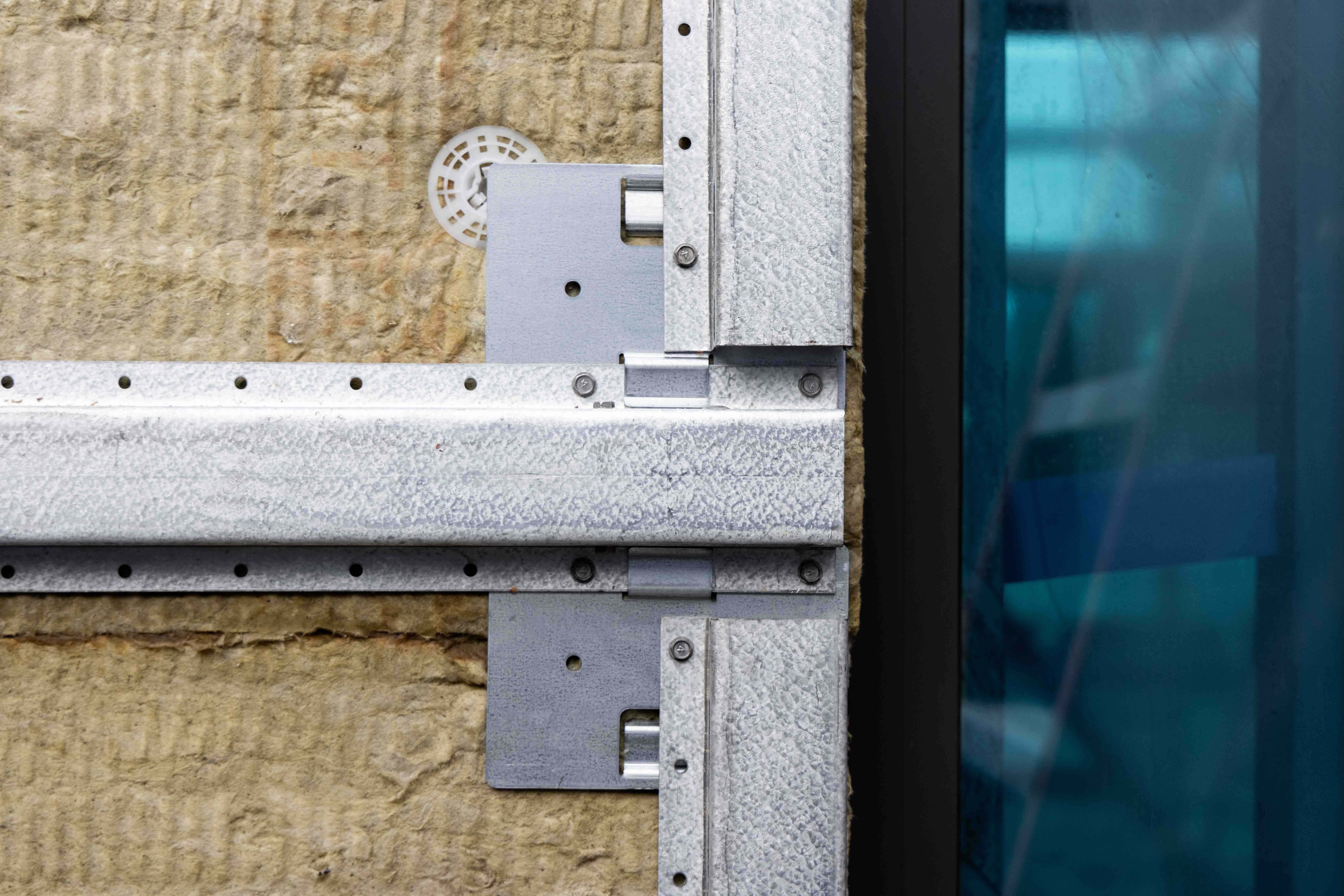
“Taking the conceptual design of the vertical slats on the exterior of the building. We researched a lot of different options and ultimately had Longboard help us create an assembly out of a couple of their different projects. The vertical battens that you see that create that texture that is produced by Longboard, that is the Link and Lock Batten, that was then fastened to their Tongue and Groove cladding. Longboard was able to help us engineer that.” Through collaboration and Longboard’s team’s expertise, the conceptual design was transformed into a durable, buildable solution.
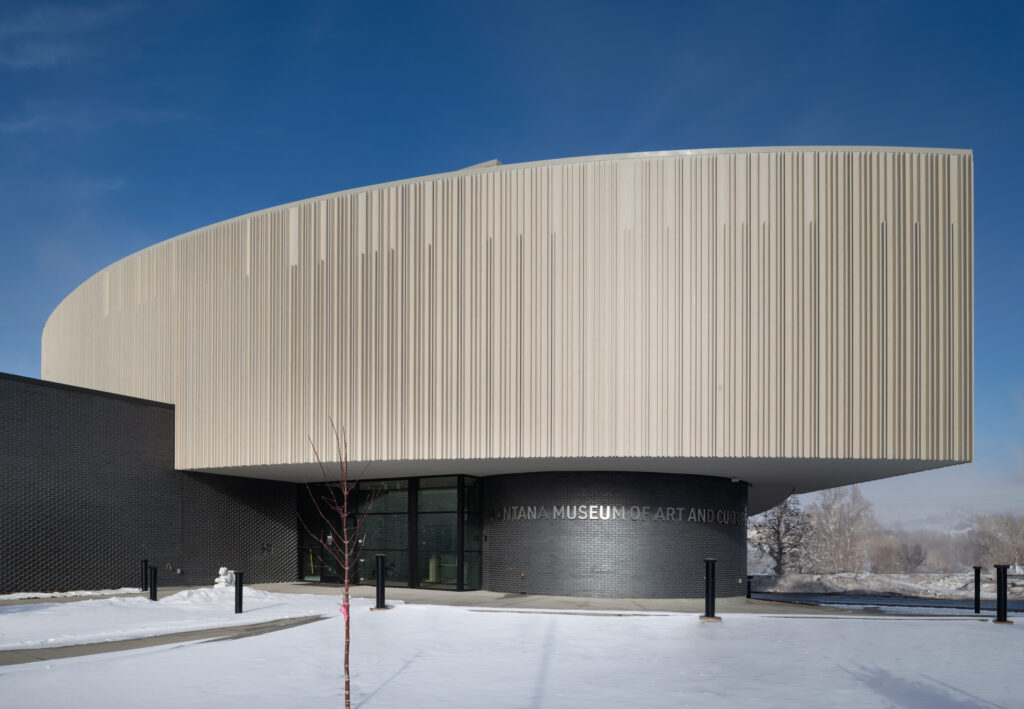
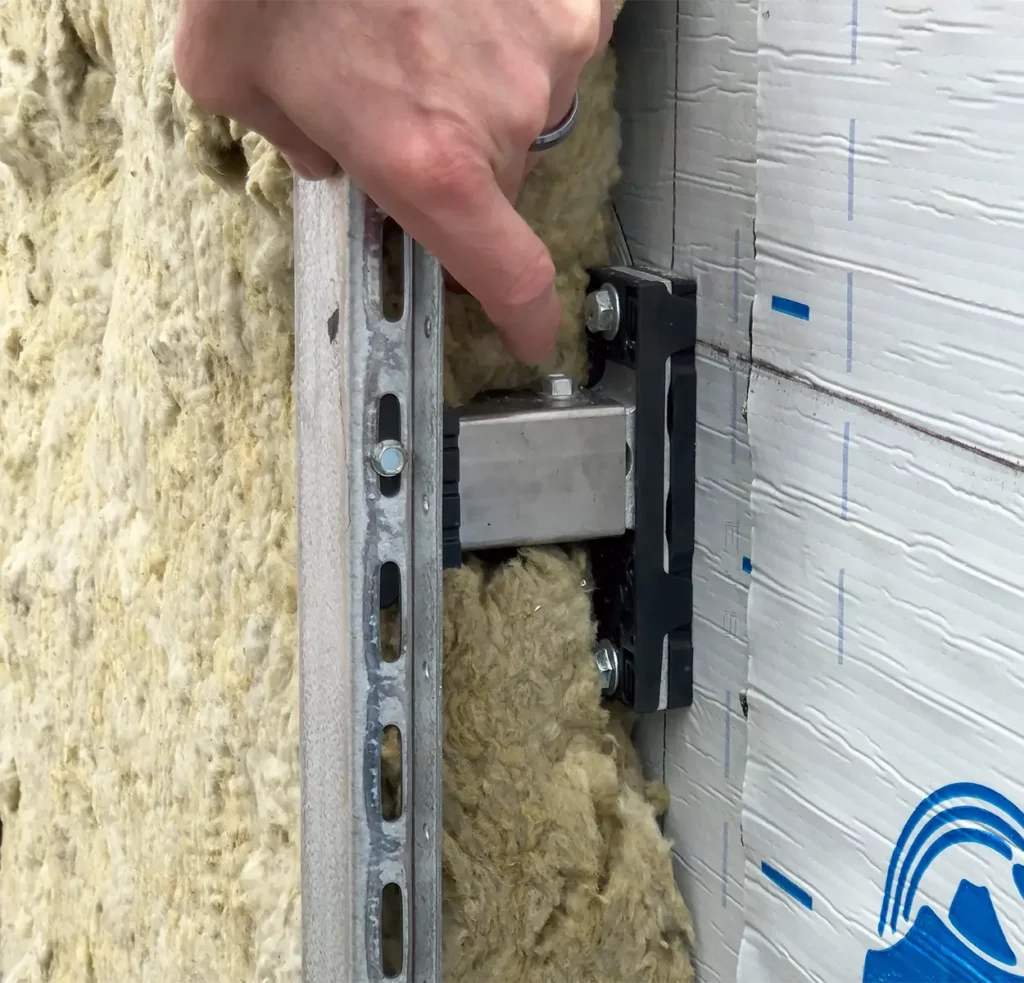
Sustainability was an important aspect of this project, with Montana’s demanding weather, keeping the museum safe from changing seasons was something that was highly considered during the design. “This project utilized a number of different and unique materials. Certainly, sustainability was an important driver in the design of this building. The thermal efficiency was critical, and utilizing the Longboard material as our exterior facade material ended up being a great solution and brought us a very high-performing building,” explains Scott. “The exterior envelope of the building was an important aspect of our design. It is a LEED Gold Certified building. Thermal performance was hugely important. Using the Longboard products here gave us the opportunity to create a back-ventilated rain screen system with continuous insulation that performs thermally extremely well.”
A&E Design’s work is woven throughout the city through historic preservation projects to public spaces like the library, the airport, and now the museum. “The museum itself is a pretty modern type of building, but it still makes some nods to the more historic pieces of the university. Particularly, the brick base – most of the existing historic buildings on campus are brick. But it melds with the more contemporary portion of campus that you see on the North end. Surrounding the art museum, you get a lot of the athletic facilities, it attracts a lot of people. The general public during the fall, during football season, they all park in this area of the art museum and it’s a great way to show the museum to the public and make the public aware that it exists, and it tries to bring them in.”
Asked what it feels like to see his work around town, Gilder did not hesitate. “It’s a point of pride to be able to drive around and point to buildings that I have been involved in the design of,” he said. For someone who has spent his entire career in the city where he grew up, the connection is personal. “As a person who is from Missoula,” he added, “it is deeply meaningful for me to be able to be a part of these projects.” He has raised his children there; some still live in town. The buildings are not abstractions but markers of a shared life.
After many years in the making, the Montana Museum of Art and Culture has opened its doors, inviting Missoulians, visitors, and people from across Montana to explore the state’s history in a stunning new building.